The embroidery industry has grown significantly in recent years, with more individuals and businesses turning to embroidery as a way to personalize clothing, accessories, and promotional items. At the heart of this industry are commercial embroidery machines, powerful tools designed to handle large-scale production while maintaining precision and quality.
Whether you’re a small business owner considering upgrading your equipment, an entrepreneur starting an embroidery shop, or a hobbyist looking to expand into commercial work, understanding commercial embroidery machines is essential. This guide will cover everything you need to know, including features, benefits, types, maintenance tips, and how to choose the right machine for your business.
What Are Commercial Embroidery Machines?
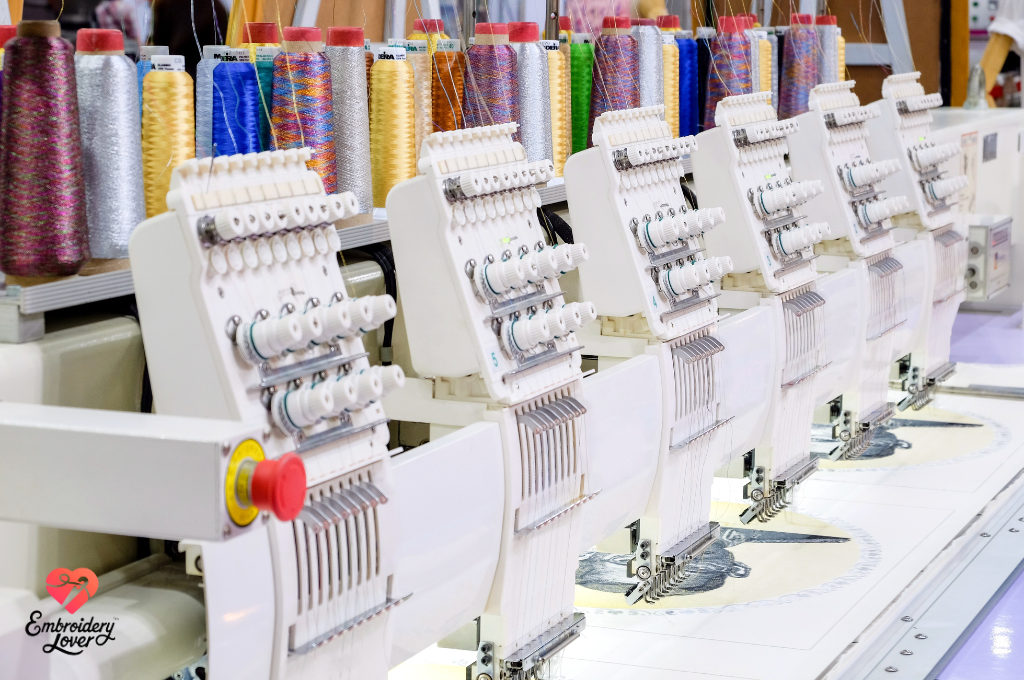
Unlike domestic embroidery machines designed for hobbyists or small projects, commercial embroidery machines are built for high-volume, professional use. They are designed to operate for longer periods, produce consistent stitch quality, and support advanced features like multi-needle threading, automatic color changes, and larger embroidery fields. These machines are commonly used in:
Embroidery Shops and Production Houses
Traditional embroidery shops use commercial machines to handle bulk orders, intricate designs, and custom requests. These businesses often serve local clients such as schools, sports teams, and corporate offices. Because commercial embroidery machines can operate for long hours, they are ideal for meeting tight deadlines while maintaining consistent stitch quality.
Custom Apparel Businesses
Personalized fashion is more popular than ever. Businesses that specialize in custom t-shirts, hoodies, jackets, caps, and tote bags rely heavily on embroidery machines to produce unique, made-to-order designs. Embroidery adds a premium, long-lasting finish compared to printed alternatives, making it the go-to choice for businesses offering high-quality clothing customization.
Promotional Product Companies
Promotional merchandise is a billion-dollar industry. Companies that create branded gifts like hats, office accessories, bags, and keychains often use commercial embroidery machines. Embroidery not only enhances brand visibility but also gives promotional items a polished, professional look that reflects positively on the business.
Uniform and Sportswear Manufacturers
Schools, sports teams, and corporations often require personalized uniforms and durable sportswear. Commercial embroidery machines are essential for stitching logos, names, and numbers onto jerseys, workwear, and caps. Their speed and multi-head setups allow manufacturers to produce bulk orders efficiently while keeping branding consistent.
Online Embroidery Businesses
The rise of Etsy, Amazon Handmade, and Shopify stores has opened doors for small entrepreneurs to sell personalized embroidery products online. From embroidered baby clothes to monogrammed home décor, commercial embroidery machines give online sellers the tools to scale their business and meet global demand.
Fashion Designers and Boutiques
High-end fashion designers often use embroidery machines to add exclusive, decorative details to garments and accessories. Whether it’s luxury handbags, bridal wear, or evening gowns, embroidery creates a unique, handcrafted feel that enhances the value of the product.
Event Planners and Gift Shops
Event planners frequently order embroidered keepsakes for weddings, birthdays, and corporate events. Similarly, gift shops use embroidery to offer personalized souvenirs, such as embroidered keychains, towels, and cushion covers, which appeal to tourists and local shoppers alike.
Commercial embroidery machines are a critical investment for businesses aiming to deliver high-quality embroidered products at scale.
Key Features of Commercial Embroidery Machines
When investing in a commercial embroidery machine, several features set them apart from home-use machines:

Multi-Needle Capability
Most commercial machines come with 6, 10, 12, or even 15 needles, allowing users to thread multiple colors at once. This eliminates the need for constant re-threading and speeds up production.
Large Embroidery Field
Commercial machines offer larger embroidery areas, making it possible to create designs on jackets, uniforms, bags, and other large surfaces.
High-Speed Stitching
While home machines average around 400–600 stitches per minute, commercial embroidery machines can reach 1,000–1,500 stitches per minute, ensuring faster turnaround for bulk orders.
Durability and Reliability
Built with industrial-grade components, these machines can withstand continuous operation without losing performance quality.
Automatic Thread Trimming and Color Change
These features reduce manual labor and make production more efficient. The machine automatically trims threads and switches colors during the design process.
Advanced Software Compatibility
Commercial embroidery machines work with professional software for design editing, lettering, and digitizing. They support multiple file formats such as DST, PES, EXP, JEF, and more.
Multiple Hoops and Frames
They come with a variety of hoop sizes to accommodate small designs (like caps or patches) and large designs (like jackets or banners).
Benefits of Using Commercial Embroidery Machines
Switching to or starting with a commercial embroidery machine offers several advantages:
- Increased Productivity – Faster speeds and multi-needle setups allow you to complete more orders in less time.
- Professional Quality – Consistent stitch quality and precision ensure a polished, professional look on every project.
- Versatility – Can embroider on a wide range of fabrics and products, including denim, leather, cotton, and polyester.
- Scalability – Ideal for growing businesses that need to take on larger or more complex orders.
- Higher Profit Margins – With faster production and improved efficiency, businesses can serve more clients and maximize profits.
Types of Commercial Embroidery Machines
Not all commercial embroidery machines are the same. Here are the main types you’ll come across:
Single-Head Embroidery Machines
- Best for small businesses or startups.
- Ideal for producing custom, one-off designs.
- Compact size makes them suitable for limited spaces.
Multi-Head Embroidery Machines
- Designed for large-scale production.
- Can embroider multiple pieces simultaneously.
- Perfect for businesses that handle bulk orders like uniforms or promotional products.
Specialty Embroidery Machines
- Cap embroidery machines: Built specifically for embroidering on caps and hats.
- Cylinder-arm machines: Useful for cylindrical items like sleeves or bags.
- Flatbed embroidery machines: Great for flat fabrics such as banners or linens.
How to Choose the Right Commercial Embroidery Machine
Buying a commercial embroidery machine is a major investment for any business, and choosing the right one can make the difference between long-term success and daily frustrations. With so many models and brands available, it’s important to evaluate your needs carefully before making a decision. Here are the key factors to consider:
Your Business Size and Needs
The size and stage of your business should guide your purchase:
- Small business or startup – If you’re just getting started or working on limited orders, a single-head embroidery machine may be sufficient. It offers flexibility without the high upfront costs of a multi-head system.
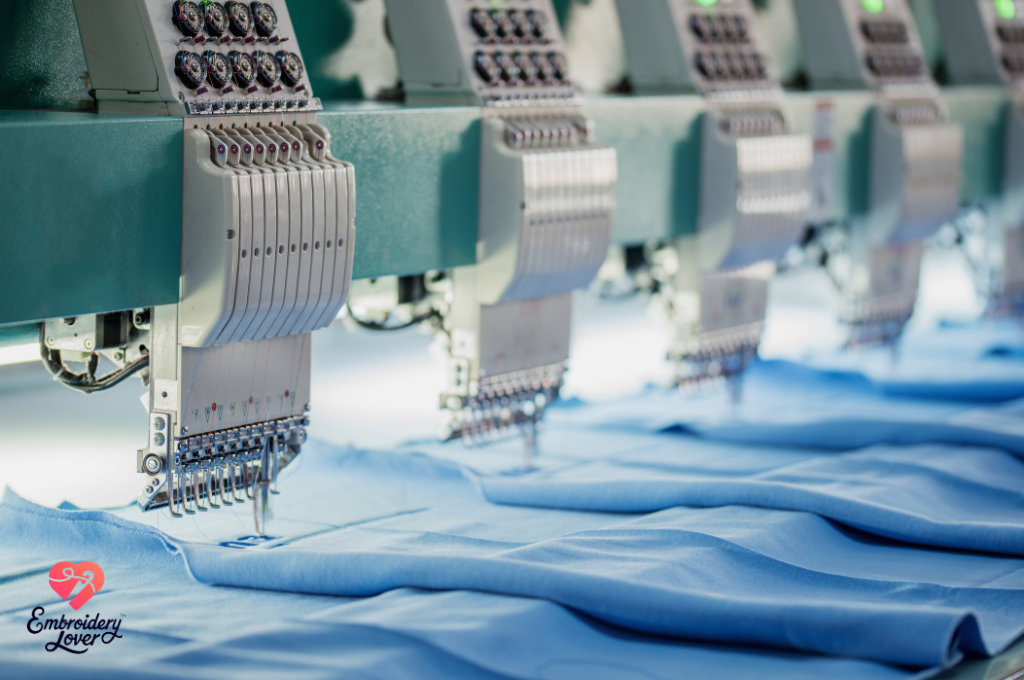
- Established or growing business – For businesses that handle bulk orders or recurring large projects, a multi-head machine dramatically improves efficiency by allowing you to stitch multiple items simultaneously.
Budget Considerations
Commercial embroidery machines can range anywhere from $5,000 to $25,000+, depending on the features, size, and brand. While it’s tempting to choose the cheapest option, remember that this is a long-term investment. A reliable, high-quality machine reduces downtime, produces better results, and saves money on repairs in the long run. Many manufacturers also offer financing options for easier purchasing.
Production Volume
If you plan to handle a high production volume, speed and efficiency become crucial. Machines capable of 1,000–1,500 stitches per minute can save hours of production time. Multi-head machines are particularly useful for embroidery shops serving corporate clients, schools, or sports teams with large, repeated orders.
Supported Formats and Software Compatibility
Embroidery machines rely on digital design files, so it’s essential to check which file formats your machine supports. Common formats include DST, PES, JEF, VP3, EXP, and HUS. Also, ensure the machine integrates well with professional digitizing software, as this will make editing and customizing designs much easier.
Brand Reputation and Support
The brand you choose matters just as much as the machine itself. Leading names such as Brother, Tajima, Barudan, Ricoma, and Janome are well-known for their durability, precision, and customer service. A trusted brand typically offers training resources, tutorials, and technical support, which are invaluable for both beginners and professionals.
Ease of Use and Learning Curve
Modern commercial embroidery machines often come with touchscreen displays, built-in tutorials, and user-friendly controls. These features reduce the learning curve for beginners and streamline workflow for experienced operators. Look for machines that allow easy hoop adjustments, automatic threading, and simple navigation.
Size and Workspace Requirements
Commercial embroidery machines are larger than domestic models, so consider the available space in your workshop. Multi-head machines require significant floor space, while single-head machines can fit into smaller studios. Also, factor in space for storage of hoops, stabilizers, and other supplies.
Expansion Potential
Think about your business’s future. If you plan to scale up, invest in a machine that allows for add-ons or upgrades—such as additional hoops, cap attachments, or advanced digitizing software. This ensures your investment grows alongside your business.
Reliability and Maintenance
Look for machines that are known for low maintenance and high durability. Since downtime equals lost revenue, choosing a machine with reliable performance and easy-to-follow maintenance instructions will save you stress and money in the long run.
Training and Warranty
Many manufacturers offer comprehensive training programs—either online or in person—to help new owners master their machines quickly. Also, ensure the machine comes with a solid warranty that covers parts and service for at least 1–3 years.
Maintenance Tips for Commercial Embroidery Machines
To keep your machine running smoothly, regular maintenance is essential:
- Clean Daily – Remove lint and dust from the bobbin area and needle plate.
- Oil regularly – Follow manufacturer guidelines for oiling moving parts.
- Check Needles – Replace needles frequently to prevent skipped stitches and thread breaks.
- Inspect Tension – Ensure thread tension is balanced before production.
- Schedule Professional Servicing – Regular check-ups from certified technicians extend machine life.
Common Mistakes to Avoid When Using Commercial Embroidery Machines
- Using cheap threads that shed lint and break often.
- Skipping test runs before full production.
- Ignoring unusual noises or tension problems.
- Overloading the machine with continuous work without breaks.
- Using incompatible file formats or poorly digitized designs.