Starting an embroidery business from home is an exciting way to turn creativity into income. With the rising demand for personalized products such as monogrammed apparel, custom gifts, and branded merchandise, embroidery has become a profitable small-business opportunity. The best part is that you don’t need a large shop or massive startup costs to begin. Many entrepreneurs successfully run embroidery businesses right from their living rooms or home studios.
In this guide, we’ll explore everything you need to know: startup costs, essential equipment, licensing, marketing, and practical steps to grow a home-based embroidery business.
Why Choose a Home-Based Embroidery Business?
Starting a home-based embroidery business is an attractive option for aspiring entrepreneurs and creative individuals. Beyond the creative satisfaction it brings, running your business from home provides multiple advantages that can significantly reduce risks and maximize growth potential.

Low Overhead Costs
One of the greatest benefits of launching an embroidery business from home is the ability to minimize expenses. Without the need to lease a storefront or pay for commercial utilities, you can invest more in essential equipment such as embroidery machines, digitizing software, and quality threads. This allows you to maximize profit margins while keeping operational costs under control.
Flexibility and Work-Life Balance
Working from home gives you complete control over your schedule. Whether you’re a stay-at-home parent, a part-time worker, or someone looking to build a full-time embroidery brand, you can choose when and how long you work. This flexibility not only helps in balancing family and personal commitments but also enables you to take on custom embroidery projects at your convenience.
Scalability for Growth
A home-based setup allows you to start small with just one embroidery machine and a limited product range. As your customer base expands, you can reinvest profits into additional machines, advanced design software, and bulk material purchases. This step-by-step approach ensures you grow at a manageable pace without overwhelming financial commitments.
Creative Freedom and Niche Targeting
Unlike mass-production embroidery businesses, working from home gives you the freedom to design unique, custom pieces that reflect your creativity. Whether it’s personalized monograms, home décor embroidery, or fashion embellishments, you can target specific niches that align with your passion and customer demand. Offering one-of-a-kind designs also helps build brand recognition and customer loyalty.
Long-Term Sustainability
The embroidery industry continues to thrive due to rising demand for personalized products, from custom gifts to branded apparel. With proper marketing strategies—such as selling on Etsy, social media promotion, or creating your own e-commerce website—you can build a sustainable embroidery business that generates consistent income for years to come.
With the right approach, embroidery can turn into a long-term, sustainable business.
Research the Market
Before purchasing embroidery machines or stocking up on supplies, it’s crucial to conduct thorough market research. This step sets the foundation for a profitable home-based embroidery business by helping you understand demand, competition, and growth opportunities.
Identify Your Target Audience
Start by asking yourself: Who am I going to serve? Your audience could include:
- Local businesses are looking for branded uniforms or promotional merchandise.
- Sports teams and schools often need embroidered jerseys, caps, and spirit wear.
- Gift shops and boutiques are seeking personalized items for resale.
- Online buyers on platforms like Etsy, Amazon Handmade, or your own website who want unique, custom products.
Clearly defining your audience ensures your marketing and product design efforts align with their needs.
Understand Product Demand
Different markets value different embroidered products. For example:
- Apparel: T-shirts, jackets, hoodies, and polo shirts are always in demand.
- Accessories: Hats, bags, and scarves offer great profit margins.
- Baby and Kids’ Items: Personalized blankets, bibs, and onesies are popular among parents and gift-givers.
- Corporate and Promotional Products: Uniforms, branded tote bags, and embroidered giveaways help businesses stand out.
Analyzing trends and seasonal demand (such as Christmas embroidery designs or wedding-themed items) can guide you in stocking products that sell year-round.
Analyze the Competition
Your competitors provide valuable insights into what works—and what doesn’t. Research both local competitors (shops in your area) and online sellers (Etsy stores, niche websites). Look at:
- Pricing strategy: Are they positioned as budget-friendly or premium?
- Product variety: Do they focus on a niche (e.g., baby embroidery) or a wide range of items?
- Customer engagement: Check their reviews and social media presence to see what customers love or dislike.
This competitor analysis helps you identify market gaps. For example, if no one in your area offers high-quality monogrammed gifts, that’s a potential niche you could dominate.
Define Your Niche
Once you gather enough data, narrow your focus. Instead of trying to serve everyone, specialize in one or two profitable areas. For instance:
- Personalized gifts for weddings, anniversaries, and birthdays.
- Corporate branding for small businesses and startups.
- Fashion embroidery targeting trendy apparel and accessories.
By defining your niche, you’ll not only stand out from competitors but also establish yourself as an expert in that category.
Plan Your Business
A well-structured business plan is the backbone of any successful home-based embroidery business. It not only gives you a roadmap to follow but also helps you stay organized, manage finances wisely, and communicate your vision to potential partners or investors.

Choose Your Business Model
Decide how you want to operate your embroidery business:
- Online Sales: Platforms like Etsy, Amazon Handmade, Shopify, or your own website give you access to global buyers. This model works best if you want to focus on personalized gifts, trendy apparel, or digital embroidery design files.
- Local Services: Many entrepreneurs start by serving local schools, sports teams, or small businesses that need uniforms, promotional products, and branded apparel.
- Hybrid Approach: Combining both online and local markets maximizes your reach, especially if you can handle both custom orders and bulk embroidery projects.
Estimate Startup Costs
List all expenses to understand how much you’ll need to invest:
- Embroidery Machines: A single-needle machine may cost a few hundred dollars, while multi-needle commercial machines can run into thousands.
- Software & Digitizing Tools: Professional embroidery software helps you create and edit designs.
- Supplies: Threads, stabilizers, needles, hoops, and blank items like T-shirts, hats, and tote bags.
- Marketing & Branding: Website development, social media ads, logo design, and packaging.
- Licenses & Legal Fees: Registering your business, obtaining permits, and setting up bookkeeping systems.
Documenting these costs ensures you don’t face unexpected financial surprises.
Develop a Pricing Strategy
Your pricing model should balance profitability with customer affordability. Common approaches include:
- Per Stitch Pricing: Charging based on stitch count is common in professional embroidery businesses.
- Per Item Pricing: Setting a flat price per finished product (e.g., $20 for a monogrammed shirt).
- Flat Rate Packages: Bundled offers, such as discounts for bulk orders (e.g., 50 embroidered hats for a local team).
Make sure to research competitor pricing and factor in material costs, machine wear, and labor time.
Set Clear Goals
Having measurable goals helps you track progress and stay motivated:
- Short-Term Goals (First 6 Months):
- Set up your embroidery workspace at home.
- Launch your first online shop or secure 3–5 local clients.
- Recover initial setup costs through consistent sales.
- Set up your embroidery workspace at home.
- Long-Term Goals (1–3 Years):
- Expand product offerings to different niches.
- Purchase advanced multi-needle machines for higher output.
- Establish your own embroidery brand recognized online and locally.
- Build recurring partnerships with businesses and organizations.
- Expand product offerings to different niches.
Why a Written Plan Matters
Documenting your business plan keeps you accountable and focused. It also demonstrates professionalism when seeking partnerships, bank loans, or investors in the future. A clear plan signals that you’ve done your homework and understand how to operate a profitable embroidery business from home.
Legal Requirements & Licensing
Even a home-based business needs to be legally registered. Steps include:
- Choose a business name – Make sure it’s unique and matches your brand vision.
- Register your business – Depending on your country, file as a sole proprietorship, LLC, or partnership.
- Get necessary permits – Some regions require home-based business permits.
- Open a business bank account – Keep personal and business finances separate.
- Commercial use licenses for designs – Only use embroidery files that allow resale.
Following these steps protects you legally and makes your business look professional.
Gather Essential Equipment
To run an embroidery business, you’ll need reliable equipment:
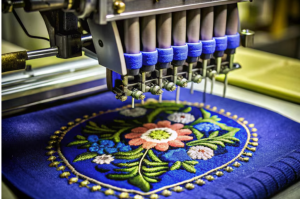
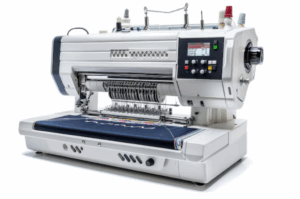
- Embroidery Machine – Start with a quality single-head machine; upgrade to multi-head machines as demand grows. Brands like Brother, Janome, and Tajima are popular.
- Computer & Digitizing Software – Software such as Wilcom, Hatch, or Embrilliance helps convert artwork into embroidery files.
- Stabilizers & Threads – Stock up on different stabilizers (tear-away, cut-away) and high-quality polyester or rayon threads.
- Hoops & Frames – Necessary for securing fabric during stitching.
- Basic Office Tools – Printer, internet connection, and bookkeeping software.
Budget around $2,000 to $10,000, depending on machine quality and additional tools.
Build Your Skills
Even with advanced machines, embroidery requires skill. Practice on different fabrics, experiment with stitches, and learn proper hooping techniques. Online tutorials, YouTube channels, and embroidery forums are excellent resources. Consider joining local embroidery or sewing groups for hands-on learning.
Create a Product Line
One of the keys to success in your home-based embroidery business is offering a carefully curated product line. Instead of overwhelming yourself with too many options at once, begin with a small selection of high-demand items that are easy to market, quick to produce, and profitable. As your business grows, you can diversify into more categories based on customer demand and seasonal trends.
Start Small with Proven Best-Sellers
Launching with a limited range of products allows you to streamline your operations, test the market, and refine your embroidery skills. Focus on items that have consistent demand and wide appeal, such as:
- Monogrammed Towels and Pillowcases: These are popular gift choices for weddings, housewarmings, and anniversaries. Personalized monograms make them timeless and elegant.
- Baby Bibs, Blankets, and Onesies: Parents and gift-givers love custom baby items. This niche provides consistent demand, especially when paired with cute designs and names.
- Custom Hats and Jackets: Embroidered logos or slogans on caps and outerwear are great for sports teams, events, and personalized fashion.
- Branded Uniforms for Local Businesses: From restaurants and salons to corporate offices, uniforms with embroidered logos add a professional touch. This category also opens doors for bulk orders.
- Holiday and Seasonal Gift Items: Personalized Christmas stockings, Valentine’s gifts, Halloween embroidery, or Easter-themed items generate spikes in sales during festive periods.
Expand Gradually into Niche Products
Once you’ve established a steady flow of orders, consider expanding into specialty embroidery items. Examples include:
- Home Décor: Embroidered wall hangings, table runners, and cushion covers.
- Pet Accessories: Custom collars, bandanas, and pet blankets.
- Event Merchandise: Personalized gifts for weddings, birthdays, and corporate events.
- Fashion Items: Trendy embroidered denim, tote bags, or sneakers.
Expanding into niches not only diversifies your income but also helps you stand out in a competitive market.
Consider Digital Embroidery Products
Beyond physical items, you can also sell digital embroidery design files (PES, DST, JEF, etc.) for other crafters and small businesses. This creates a passive income stream since you design once and sell multiple times without additional production costs.
Keep Your Audience in Mind
Every product you create should serve a specific audience. For example:
- Parents = Baby and kids’ embroidery items
- Local businesses = Branded uniforms and promotional products
- Online shoppers = Personalized home décor and gift items
- Hobbyist embroiderers = Digital embroidery design files
By tailoring your product line to your target audience, you increase your chances of repeat sales and customer loyalty.
Pricing Your Embroidery Services
Setting the right prices for your embroidery services is one of the most important steps in running a profitable home-based embroidery business. Price too low, and you’ll struggle to cover costs; price too high, and you risk losing customers to competitors. A strategic pricing model ensures you balance affordability for clients with sustainable profits for your business.

Factor in All Costs
When building your pricing structure, always account for both direct and indirect expenses:
- Cost of Supplies: Every project uses consumables such as thread, stabilizers, backing material, and sometimes the base item (shirts, hats, or fabric). These costs should be added to your pricing formula.
- Machine Time: Embroidery machines are typically measured by stitches per minute. The more stitches in a design, the longer it takes. Longer run times mean higher labor costs and machine wear, which should be reflected in your rates.
- Design Digitizing: Creating embroidery-ready files often requires specialized software and expertise. If you digitize your own designs, factor in the time spent. If outsourcing, include the digitizing fee in your client’s bill.
- Overhead Costs: Don’t forget the “hidden” costs—electricity to run your machine, embroidery software subscriptions, marketing expenses, packaging, and even your workspace setup.
Common Pricing Methods
Professional embroiderers typically use one of two methods:
- Per Thousand Stitches
- A widely accepted approach is charging $1–$2 per 1,000 stitches.
- Example: A 12,000-stitch logo at $1.50 per 1,000 stitches = $18.
- This method works well for logos, monograms, and detailed designs where stitch count directly reflects labor and material use.
- A widely accepted approach is charging $1–$2 per 1,000 stitches.
- Flat Rate Pricing
- For simple, small projects (like initials on a towel or a name on a cap), many embroiderers prefer charging a flat fee.
- Example: $10 per towel monogram or $12 for a hat.
- Flat rates are easier for customers to understand and often lead to quicker sales.
- For simple, small projects (like initials on a towel or a name on a cap), many embroiderers prefer charging a flat fee.
Some businesses combine both methods, using flat rates for common projects and stitch-based pricing for custom or complex designs.
Additional Pricing Considerations
- Minimum Order Fee: Set a minimum (e.g., $25 per order) to ensure every job is worth your time.
- Bulk Discounts: Offer tiered pricing for larger orders (e.g., 50 shirts at a reduced per-item rate). This encourages bigger orders while still protecting profit margins.
- Rush Orders: If clients need same-day or overnight service, add a rush fee of 25–50%.
- Specialty Items: Premium fabrics (leather, denim, silk) or unique requests should be priced higher due to the added difficulty and risk.
Stay Competitive, but Don’t Undersell
Research local embroiderers and online competitors to understand market rates. Position yourself competitively, but avoid underpricing just to win clients. Undervaluing your work can lead to burnout and unsustainable margins. Instead, highlight your unique selling points—whether it’s higher quality, faster turnaround, or creative customization—to justify your pricing.
Example Pricing Formula
Here’s a simple formula many home-based embroiderers use:
(Material Cost + Labor Time + Overhead) + Profit Margin = Final Price
For instance:
- Materials: $4
- Labor (1 hour at $15/hour): $15
- Overhead (electricity, software, etc.): $3
- Profit Margin: $8
Final Price = $30
Market Your Business
Marketing is the bridge that takes your embroidery skills from hobby to profitable business. No matter how beautiful your designs are, you need consistent visibility to attract buyers and build a loyal customer base. A strong marketing strategy should combine both online and offline efforts, while keeping your branding consistent across all platforms.
Leverage Social Media Marketing
Social media platforms are some of the most powerful tools for embroidery promotion:
- Facebook: Great for connecting with local audiences through groups and pages. You can run targeted ads to reach people interested in handmade gifts, apparel, or embroidery.
- Instagram: A visual-first platform perfect for showcasing high-quality photos and short videos of your embroidery projects. Use hashtags like #EmbroideryBusiness, #MachineEmbroidery, and #CustomEmbroidery to expand reach.
- Pinterest: Ideal for product discovery. Many shoppers search Pinterest for inspiration before buying. Pinning your embroidery designs, seasonal items, and tutorials can generate long-term traffic to your store or website.
- TikTok & Reels: Quick behind-the-scenes videos (like threading a machine or unveiling a finished product) often go viral and attract new followers.
Sell on Online Marketplaces
Selling online expands your audience beyond your local community:
- Etsy: Perfect for custom and handmade items, especially personalized gifts and embroidery design files (PES, DST, JEF, etc.).
- Amazon Handmade: Allows you to tap into a huge customer base for embroidery products like uniforms, hats, and baby items.
- eBay or Shopify: If you want to create bundles or run promotions, these platforms give you additional flexibility.
Each platform has its own SEO algorithm, so optimize your listings with keyword-rich titles, detailed product descriptions, and professional images.
Build Local Partnerships
While online sales are powerful, don’t ignore your local community:
- Partner with schools for team uniforms and spirit wear.
- Approach sports teams to provide custom hats, jerseys, and fan merchandise.
- Work with small businesses (restaurants, gyms, salons) to supply branded uniforms or promotional goods.
Building strong local relationships often leads to recurring bulk orders and word-of-mouth referrals.
Word-of-Mouth & Referral Programs
Happy customers are your best marketers. Encourage referrals by:
- Offering discounts on a customer’s next order when they refer a friend.
- Creating a loyalty program where repeat clients earn points or freebies.
- Providing exceptional customer service so people naturally recommend you.
Word-of-mouth marketing builds trust quickly, especially in local markets.
Create a Professional Website with SEO
Owning your website adds credibility and gives you control over your brand. Include:
- Product Pages: Each item should have a keyword-optimized title, description, and multiple images.
- Blog Content: Write posts on topics like “Best Embroidery Gift Ideas” or “How to Care for Embroidered Items.” Blogs attract search traffic and position you as an expert.
- SEO Optimization: Use keywords such as custom embroidery services, embroidery business online, embroidery gift shop, and home embroidery products. This helps your site rank in Google searches and attract long-term organic traffic.
- E-Commerce Features: Allow customers to order directly from your site for convenience.
Consistent Branding Across Platforms
Your brand identity is what makes your embroidery business memorable. Ensure your:
- The logo is simple, professional, and embroidery-friendly (you may even stitch it on your products).
- Color Palette reflects your style (e.g., soft pastels for baby items, bold tones for sports and uniforms).
- Messaging is consistent, whether you’re posting on social media, networking locally, or emailing clients.
Consistency builds recognition, which is critical in a market where customers have many options.
Manage Finances
Keep detailed records of expenses, sales, and profits. Use accounting software like QuickBooks or Wave. Separate personal and business accounts to simplify tax preparation. Don’t forget to set aside money for taxes and reinvest profits into business growth.
Scale Your Business
As your embroidery business grows, you can expand in several ways:
- Invest in multi-head machines for higher output.
- Hire assistants to handle production or marketing.
- Offer digitizing services for other embroiderers.
- Create design bundles and sell digital files online.
- Explore wholesale partnerships with local stores.
Scaling gradually ensures sustainable growth without overwhelming yourself.
Benefits of Running an Embroidery Business from Home
Launching a home-based embroidery business comes with a wide range of advantages that make it appealing for both beginners and experienced entrepreneurs. From lower costs to creative satisfaction, this model provides the flexibility and opportunity many small business owners dream of.

Work-Life Balance
One of the biggest benefits of working from home is the ability to set your own schedule. Unlike traditional 9–5 jobs, you decide when to start and stop working. This allows you to:
- Spend more time with family and loved ones.
- Adjust your workload during busy personal seasons (like holidays or school breaks).
- Maintain a healthier lifestyle by balancing work with rest and hobbies.
This flexibility makes embroidery a great business option for parents, retirees, or anyone seeking more control over their daily routine.
High Demand for Personalized Products
The demand for customized embroidery continues to grow across multiple industries:
- Gifting Market: Personalized towels, baby clothes, and monogrammed items are always trending.
- Fashion Industry: Embroidered jackets, hats, and bags never go out of style.
- Corporate Branding: Businesses consistently need embroidered uniforms, logo wear, and promotional items.
- Special Events: Weddings, birthdays, and holidays drive recurring demand for unique embroidered gifts.
With such broad applications, there’s always a profitable niche to explore.
Low Entry Barriers
Compared to other businesses, embroidery has relatively low startup costs. You don’t need to rent a storefront or hire employees right away. All you need to begin is:
- A reliable embroidery machine.
- Basic supplies (threads, stabilizers, blanks like T-shirts or towels).
- A small workspace at home.
This means you can start small, test the market, and grow your business gradually without taking on overwhelming financial risk.
Creative Fulfillment
If you love crafting, design, or fashion, embroidery gives you a chance to turn your passion into profit. You’ll enjoy:
- Experimenting with colors, fonts, and design styles.
- Offering personalized creations that bring joy to customers.
- Building a business that reflects your unique artistic vision.
Creative fulfillment also leads to stronger customer satisfaction—people value handmade, thoughtful products that stand out from mass-produced alternatives.
Long-Term Sustainability
A home-based embroidery business is not just a short-term side hustle—it can evolve into a sustainable, full-time career. As you gain more clients, upgrade your machines, and expand your product line, you can scale the business into a reliable source of income. Many home embroiderers eventually hire assistants, outsource digitizing, or run multiple embroidery machines to meet demand.
Conclusion
Starting an embroidery business from home is one of the most rewarding ways to turn creativity into income. By researching the market, investing in the right equipment, developing your skills, and marketing effectively, you can build a profitable embroidery venture with long-term potential.
Whether you focus on selling custom products, digitized embroidery files, or both, the key is consistency and professionalism. With dedication, your home-based embroidery business can grow into a thriving enterprise.