Embroidery has evolved from a craft to a business opportunity, a modern-day, profitable business opportunity. Today, digital embroidery machines and downloadable embroidery files have made it easy for entrepreneurs to start and scale their businesses. But if you're conducting a business, one question becomes very important: what exactly does embroidery design for commercial use mean, and what's the importance of all of this?
Through the use of commercial-use embroidery designs, you can legally sew and sell products that include someone else's design. This is the licensing for the benefit of both the designer and your business, so you can be sure to sell embroidered goods without worrying about copyright issues. In this guide, we'll be walking through all things embroidery design when it comes to commercial use - how much they cost, the benefits of using them, licensing, and how to choose them for your business.
What Is a Commercial-Use Embroidery Design?
An embroidery design for use in commercial purposes is a digital embroidery file with a license that gives you the rights to use it for products that you intend to sell. Unlike files for personal use only (i.e., those only for hobby projects), commercial licenses guarantee that you may legally embroider and resell products such as t-shirts, hats, uniforms, and accessories.
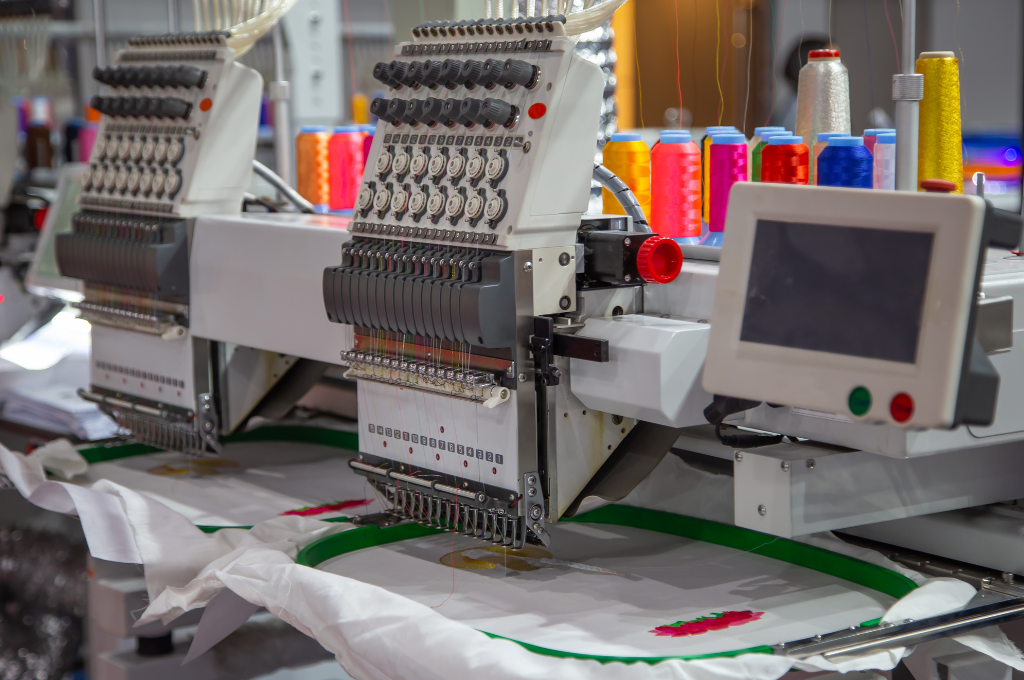
Commercial designs are an anchor for embroidery shops, small businesses, and even large-scale manufacturers. Without the proper license, you can expect to have legal troubles, be taken down from the platforms such as Etsy or Amazon, or even be financially penalized.
Why Commercial Licensing Matters
- Legal Protection – Prevents copyright infringement claims.
- Business Growth – Allows you to scale without worrying about licensing restrictions.
- Professional Credibility – Customers trust businesses that operate legally.
- Access to Premium Designs – Many top-quality embroidery files are only available with a commercial license.
Factors That Affect the Cost of Commercial-Use Embroidery Designs
When purchasing embroidery designs for business purposes, prices vary widely. Key factors include:
1. Licensing Terms
Some licenses are unlimited-use, while others limit the number of finished items you can sell. Extended licenses cost more but give you greater freedom.
2. Design Complexity
A simple monogram may only cost a few dollars, but a multi-layered, detailed design with 50,000+ stitches can be significantly more expensive.
3. File Formats & Compatibility
Designs available in multiple machine formats (DST, PES, JEF, VP3, HUS, EXP, XXX, etc.) are more valuable because they cater to different machines.
4. Seller Reputation
Trusted embroidery marketplaces and professional digitizers often charge more because of proven quality and originality.
5. Number of Sizes Included
Design packs that include multiple hoop sizes (e.g., 4x4, 5x7, 6x10) generally cost more than single-size downloads.
Types of Embroidery Designs for Commercial Use
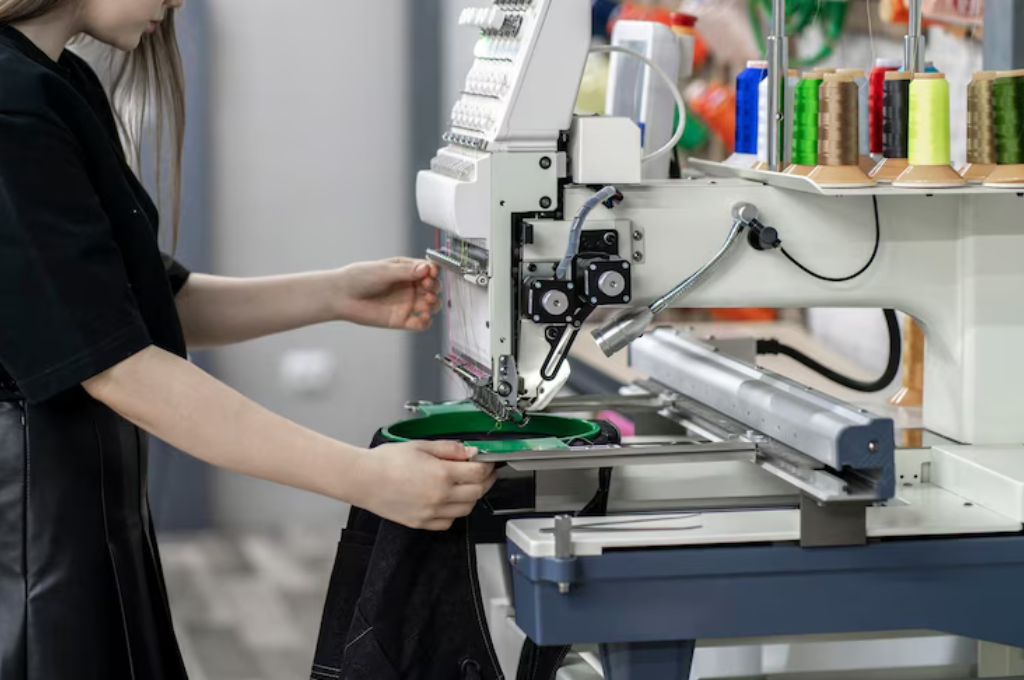
Stock Designs
Pre-made files available for instant download. These are affordable and popular for small businesses.
Custom Digitized Designs
Unique designs created from your artwork or logos. These are higher in cost but ensure exclusivity.
Seasonal & Themed Collections
Holiday, wedding, sports, or fashion themes often come in bundles, offering a variety of designs for targeted markets.
Bundles & Subscriptions
Some sellers offer monthly memberships or large design bundles at discounted rates, ideal for businesses that need constant variety.
Average Costs of Commercial Embroidery Designs
- Single stock design: $3 – $15
- Premium/detailed design: $15 – $50
- Custom digitizing: $30 – $150+ (depending on stitch count and detail)
- Design bundles/collections: $20 – $200 (with multiple files and commercial rights)
The investment is relatively low compared to the profit potential of reselling embroidered goods.
Additional Costs to Consider
When building a commercial embroidery business, costs extend beyond just designs:
- Digitizing software – Editing, resizing, or customizing files.
- Machine upgrades – To support large or complex patterns.
- Threads and stabilizers – Essential for professional results.
- Royalty fees – Some licenses require ongoing payments for high-volume production.
How to Save Money on Commercial Embroidery Designs
- Buy bundles or collections – More designs for less.
- Use subscription services – Unlimited downloads for a fixed fee.
- Watch for seasonal sales – Many design sites offer discounts around holidays.
- Look for free commercial designs – Some reputable sites give away free files with valid commercial licenses.
How to Choose the Right Embroidery Design for Your Business
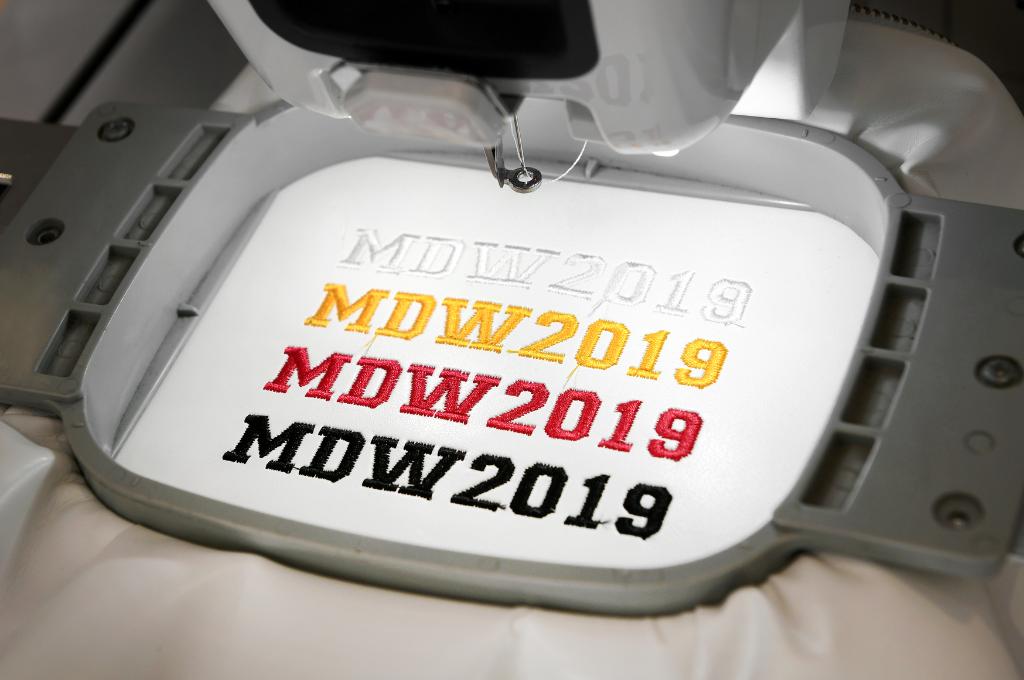
- Check the License Carefully – Ensure it clearly states “commercial use allowed.”
- Verify File Format – Make sure it works with your embroidery machine.
- Look at Stitch Count & Size Options – Choose designs that fit your products and hoop sizes.
- Research Seller Reputation – Read reviews and confirm design quality.
- Consider Your Target Market – Pick designs that resonate with your customers (e.g., baby items, holiday themes, sports logos).
Benefits of Using Commercial Embroidery Designs
- Time Savings – Skip the digitizing process.
- Professional Quality – Files are optimized for clean stitching.
- Legal Confidence – Sell without worrying about copyright claims.
- Business Scalability – Ideal for bulk orders and wholesale production.
Frequently Asked Questions
Q1: Can I sell products made with personal-use embroidery designs?
No. Personal-use designs are strictly for hobby projects. You need a commercial-use license to legally sell embroidered items.
Q2: Are free embroidery designs safe for business use?
Only if the seller explicitly includes a commercial-use license. Always read the fine print.
Q3: Do all embroidery files work with any machine?
No. Each machine has unique file requirements. For example, Brother uses PES, while Tajima uses DST.
Q4: Is it worth paying more for premium designs?
Yes. Premium designs usually stitch more smoothly, include multiple sizes, and come with solid licensing terms, saving you time and frustration.
Conclusion
Investing in embroidery designs for commercial use is essential if you want to run a professional, scalable embroidery business. While the costs depend on factors like licensing, complexity, and seller reputation, the long-term benefits—legal security, time savings, and business growth—far outweigh the expense.
Whether you purchase ready-made files, hire a digitizer, or subscribe to a design membership, always ensure your designs are licensed for commercial use and compatible with your equipment. This guarantees smooth operations, happy customers, and a sustainable embroidery business.