The world of embroidery has grown rapidly from small home studios to full-scale commercial businesses. Whether you’re a hobbyist looking to personalize gifts or a business owner ready to expand production, finding the right embroidery machines for sale is the first step toward creative and financial success.
This complete guide will help you understand what to look for when buying an embroidery machine, the types available, pricing, top brands, and where to find the best deals so you can make a confident purchase that fits your goals and budget.
Why Invest in an Embroidery Machine?
Modern embroidery machines for sale are faster, smarter, and more affordable than ever, allowing anyone to create professional-quality designs with precision and ease.
Whether you’re looking to add a personal touch to clothing, launch a custom embroidery business, or expand an existing apparel brand, investing in an embroidery machine offers both artistic freedom and financial potential.
Key Benefits of Owning an Embroidery Machine
Transform Creativity into Reality
An embroidery machine transforms ordinary garments into works of art. You can stitch logos, names, patterns, or intricate images onto fabric with pinpoint accuracy—something that’s difficult to achieve manually. Unlike traditional hand embroidery, these machines deliver clean, consistent stitching every single time, even on complex designs.
With a growing range of embroidery machines for sale, it’s easier than ever to bring your creative ideas to life, whether you’re embellishing denim jackets, custom baby clothes, or corporate uniforms.
Customization and Personal Touch
One of the biggest reasons to invest in an embroidery machine is personalization. From monogrammed towels to custom hats and gift items, embroidery allows you to make every piece unique. Customized embroidery has a premium appeal; it adds a touch of luxury that printing methods can’t match. For small business owners, this means you can offer customers something exclusive and tailor-made, helping your brand stand out in a competitive market.
Scalability and Business Growth
If you’ve ever dreamed of turning your passion into profit, an embroidery machine can be the foundation of your success. With automated features and digital designs, you can move from small-batch projects to bulk production without sacrificing quality.
Many successful home-based entrepreneurs began with a single machine and gradually scaled up to commercial embroidery setups as demand grew. By offering personalized apparel, home décor, or promotional products, you can tap into a thriving market that continues to expand each year.
Speed and Efficiency
Traditional hand embroidery requires hours or even days to complete a single design. In contrast, modern embroidery machines can finish complex, multi-color projects in a matter of minutes. Automated thread trimming, color changes, and built-in design libraries make production fast and seamless. Whether you’re creating one piece or hundreds, your machine ensures each design is stitched with identical precision and minimal manual effort.
This level of efficiency helps businesses meet tight deadlines while maintaining consistent quality. It also reduces labor costs and allows you to take on more orders, directly improving profitability.
Professional-Level Quality
When you invest in a high-quality embroidery machine, you’re investing in professional craftsmanship. These machines use advanced motor systems, precision tension control, and computer-guided stitching to produce flawless results.
Unlike printing, which can fade or peel over time, embroidery creates durable designs that last for years. Each stitch is firmly embedded into the fabric, offering a rich texture and premium appearance. Whether you’re working on fashion apparel, uniforms, or home décor, your embroidery will always look polished and long-lasting.
Modern Technology and Automation
Today’s embroidery machines come packed with intelligent features like touchscreen controls, USB/Wi-Fi design transfer, automatic threading, and AI-assisted stitch mapping. These advancements make the process more intuitive, even for beginners.
Some models even integrate with cloud-based embroidery management systems, allowing you to monitor jobs, upload designs, and track progress remotely. This kind of innovation ensures you get maximum output with minimal learning time.
Whether you’re running a home-based embroidery shop or managing large orders for clients, a reliable machine helps you maintain high standards with minimal effort.
Types of Embroidery Machines for Sale
Before buying, it’s essential to know which type of machine suits your needs. Each has unique features, functions, and price ranges.
Single-Needle Embroidery Machines
Perfect for beginners and hobbyists, single-needle machines operate like traditional sewing machines but with embroidery functionality.
- Pros: Affordable, easy to use, and ideal for small designs.
- Cons: Slower production speed; manual thread changes for each color.
- Best for: Home embroidery projects, custom gifts, or small businesses.
Popular models: Brother SE1900, Janome Memory Craft 500E.
Multi-Needle Embroidery Machines
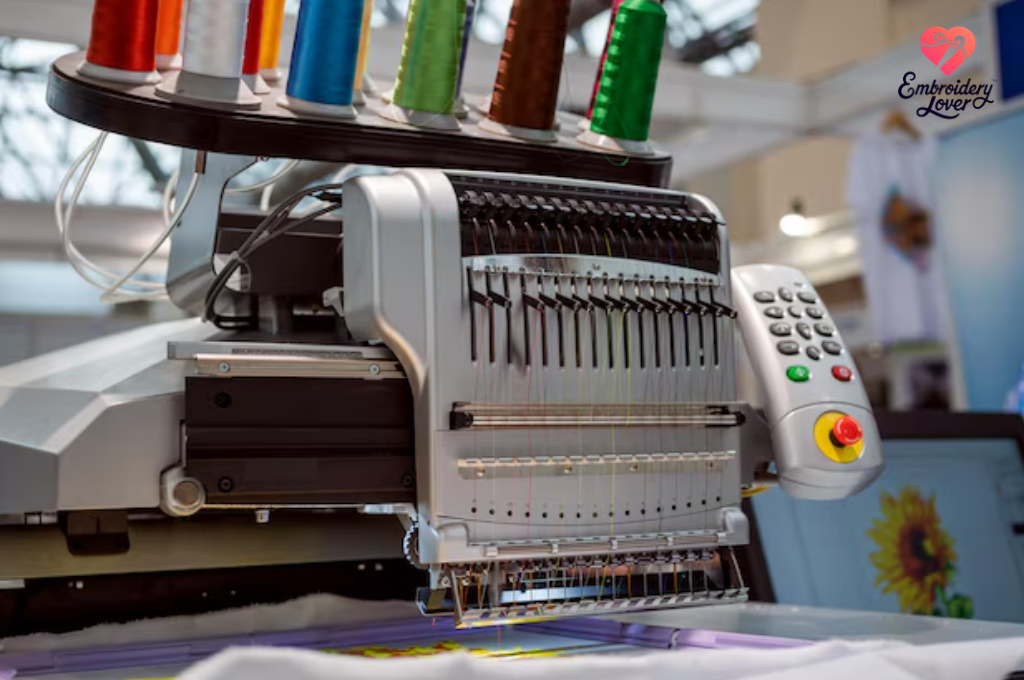
These machines have multiple needles (usually 6–15), allowing you to use several thread colors without manual swapping.
- Pros: Faster production, professional finish, and suitable for commercial use.
- Cons: Higher cost and requires more space.
- Best for: Small to medium embroidery businesses or advanced hobbyists.
Popular models: Brother PR1055X, Ricoma EM-1010, Janome MB-7.
Industrial Embroidery Machines
Built for speed, precision, and volume, industrial embroidery machines feature multiple heads that can stitch identical designs simultaneously.

- Pros: High-speed stitching, large hoop area, durable construction.
- Cons: Expensive and needs a dedicated workspace.
- Best for: Commercial embroidery companies, uniform suppliers, and bulk production.
Popular models: Tajima TMAR Series, Barudan BEXS Series, Melco EMT16X.
Computerized Embroidery Machines
Almost all modern machines are now computerized, integrating touchscreen controls, USB ports, and Wi-Fi connectivity. They allow users to import, edit, and digitize designs directly.
- Pros: Smart controls, customizable features, and design editing options.
- Cons: Slight learning curve for beginners.
- Best for: Anyone seeking precision and versatility.
Combination Sewing and Embroidery Machines
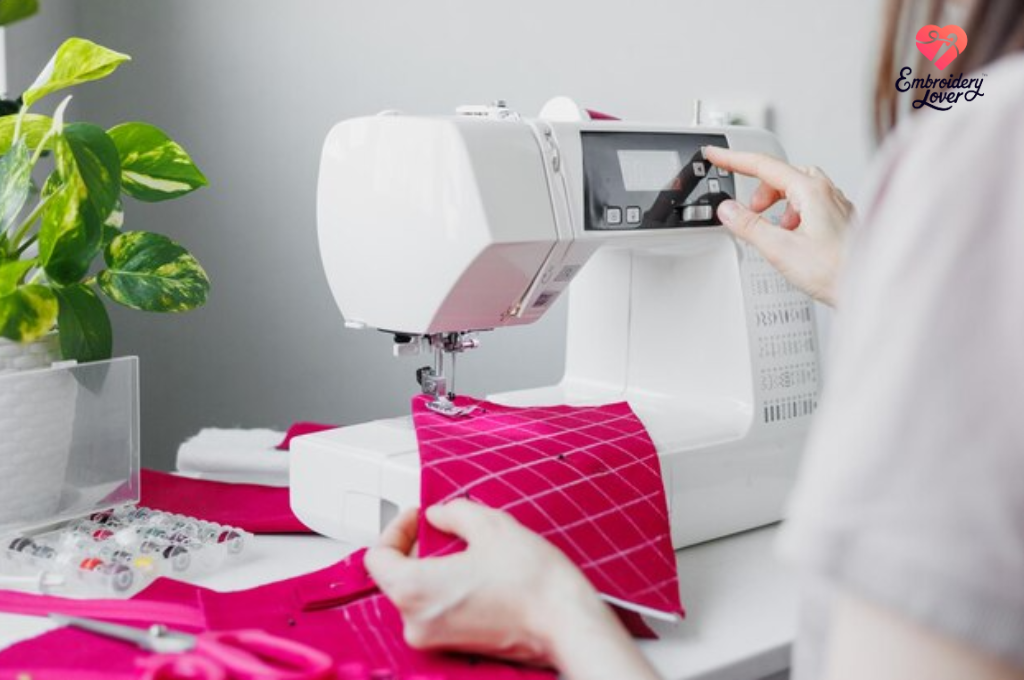
For those who want the best of both worlds, combination machines let you switch between sewing and embroidery.
- Pros: Multi-functional and space-saving.
- Cons: Limited embroidery area compared to dedicated models.
- Best for: Home users or small studios with varied projects.
Key Features to Look for When Buying an Embroidery Machine
When exploring embroidery machines for sale, compare features carefully to ensure your investment meets current and future needs.
Embroidery Area
The hoop size determines the maximum design area. Common sizes include 4"x4", 5"x7", and 8"x12". Larger areas are ideal for logos, jackets, and blankets.
Needle Count
More needles mean faster color transitions and complex designs. Beginners can start with a single-needle machine, while professionals should consider multi-needle machines.
Speed and Efficiency
Measured in stitches per minute (SPM), faster speeds (1,000+ SPM) allow quicker production, essential for business scalability.
Design Import Options
USB ports and Wi-Fi connectivity let you import embroidery files in formats like PES, DST, JEF, or VP3. This makes working with digital design software easier.
Built-in Designs and Fonts
Some machines include 100–800+ built-in embroidery patterns and lettering options, great for quick projects.
Touchscreen Interface
Modern machines feature color touchscreens for easier design editing, resizing, and color selection.
Automatic Functions
Features like automatic thread cutting, color change, and needle threading save time and reduce operator fatigue.
Software Compatibility
Ensure your machine works with popular digitizing software like Wilcom, Hatch, or Brother PE-Design for professional-grade control.
Top Brands Offering Embroidery Machines for Sale
Investing in a trusted brand ensures durability, advanced technology, and reliable support.
Brother
Brother offers user-friendly embroidery machines for beginners and small businesses. Known for innovation, they provide great design, editing, and connectivity options.
Best models: SE1900, PR1055X, NQ1700E.
Janome
Janome machines are known for precision and stability. They combine Japanese engineering with easy-to-use interfaces.
Best models: Memory Craft 500E, MB-7.
Bernina
Bernina offers premium embroidery machines designed for superior stitch quality and customization.
Best models: Bernina 700E, 790 Plus.
Ricoma
Ricoma focuses on business-ready embroidery solutions, offering single-head and multi-head models at competitive prices.
Best models: EM-1010, MT-1501.
Tajima and Barudan
The leaders in industrial embroidery machines, both brands, deliver unparalleled durability and consistency for large-scale production.
Where to Find Embroidery Machines for Sale
Authorized Dealers
Buying from certified dealers ensures warranty coverage, training, and reliable after-sales service. Look for authorized partners listed on official brand websites.
Online Marketplaces
Websites like Amazon, SewingMachinesPlus, and AllBrands offer new and used embroidery machines with customer reviews and competitive prices.
Manufacturer Websites
Brands like Brother, Janome, and Ricoma sell directly through their websites, offering exclusive bundles and financing options.
Local Sewing and Embroidery Shops
Visit local retailers for hands-on demos and personalized guidance before purchasing.
Used and Refurbished Market
For budget-conscious buyers, gently used or factory-refurbished embroidery machines can offer great value, just ensure they include a warranty and tech support.
Embroidery Machine Price Guide
Here’s a general pricing overview for different types of embroidery machines for sale:
| Machine Type | Price Range (USD) | Best For |
| Single-Needle | $500 – $2,000 | Beginners, hobbyists |
| Multi-Needle | $3,000 – $10,000 | Small businesses |
| Industrial | $10,000 – $50,000+ | High-volume production |
| Combination (Sew & Embroider) | $800 – $5,000 | Home users |
Maintenance and After-Sales Support
Owning an embroidery machine is a long-term investment. Regular maintenance ensures consistent performance and durability.
Tips:
- Clean the bobbin area and remove lint after every few hours of use.
- Oil moving parts as per manufacturer guidelines.