Choosing the right embroidery machine is one of the most important investments for anyone serious about sewing, customization, or an embroidery-based business. But before you commit, you need clarity on the embroidery machine cost, not just the upfront price, but the full cost of ownership.
In this guide, we’ll break down what affects embroidery machine pricing, the ranges you can expect, hidden costs, and how to make an investment that fits your needs.
What Drives the Cost of an Embroidery Machine?
When you ask, How much does an embroidery machine cost?, there’s no one-size-fits-all answer. Several key factors influence the price:

Type and Use Case (Hobbyist vs Commercial)
- Hobby/home embroidery machines are designed for lighter use, fewer hours per week, and simpler designs. They are less robust, have fewer features, and generally cost less.
- Commercial/industrial machines are built for heavy use, durability, speed, and advanced features. These drive prices much higher.
Number of Needles (Color Capability)
Machines with multiple needles (6-needle, 10-needle, 15-needle, or more) allow you to load more thread colors at once, reducing downtime for re-threading. The more needles, the more complex the mechanics – and the higher the cost.
Hoop Size / Embroidery Field
Larger embroidery areas (e.g., 14×8", 18×30", or even bigger) enable you to stitch larger designs or fewer hoop changes. Bigger hoop capacity often increases machine cost.
Speed and Performance
Commercial machines often advertise stitch speeds from 800 to 1,500+ stitches/minute. Higher speed and smoother motion systems (servo motors, better belts, better build) increase the price.
Features & Automation
Important features like:
- Automatic thread trimming
- Auto color change
- Jump stitch handling
- Built-in stitch editing
- Wireless or USB data transfer
- Touchscreen interface
- Self-diagnostics / error detection
These add to complexity and cost.
Build Quality & Brand
Top brands (Brother, Tajima, Barudan, Ricoma, etc.) invest heavily in quality, support, parts, and warranties. That premium is reflected in higher pricing. Lesser-known or entry-level brands cost less but may compromise on durability or after-sales service.
Price Ranges You Can Expect
Here’s a rough breakdown of cost tiers (USD), to help you estimate what level of machine you might afford or require:
| Tier / Use Case | Typical Price Range* | What You Get / Use Case |
| Entry / Hobbyist | $300 – $2,500 | Single-needle machines for light personal use, basic features, and smaller hoop sizes. |
| Prosumer / Semi-Commercial | $2,500 – $8,000 | More stitches/minute, better hoop sizes, add features like trimming, and more thread colors. |
| Commercial / Production | $8,000 – $25,000+ | Multi-needle systems, high speed, large embroidery fields, and advanced automation. |
* These are rough ranges; actual prices depend heavily on region, import costs, features, etc.
For example:
- Ricoma’s multi-needle machines range from $6,995 to $15,995. Ricoma International Corp+1
- Colman & Company lists commercial machine packages around $11,495 to $12,995. Colman and Company
- On the lower side, beginner or home hobby models are listed in the $300–$2,500 bracket. Crafty Life Mom
These highlight how diverse “embroidery machine cost” can be.
Hidden & Ongoing Costs You Must Factor In
The sticker price is just the beginning. Many costs accumulate after purchase. Let’s look at the major ones.
Shipping, Customs, Import Duties
If you import a machine, shipping costs, insurance, local taxes, and import duties can add a substantial extra 10–30% (or more). Always check your local regulations.
Installation & Setup
Commercial machines may require professional setup, alignment, calibration, and training. This might cost several hundred dollars or more.
Consumables & Materials
- Needles (you’ll break or change them regularly)
- Bobbin thread and top thread
- Stabilizers, backing, hoops
- Cleaning supplies, oils, and lubricants
These ongoing supplies must be budgeted into your cost of use.
Maintenance & Repairs
Regular maintenance (cleaning, oiling, replacing worn parts) is vital. Also, parts like belts, sensors, motors, or needles may need replacement over time. Having spare parts and a trusted technician helps.
Electricity, Space, Infrastructure
Commercial machines can draw notable power. Plus, you may need reinforced flooring, proper ventilation or dust control, wiring, and stable work tables.
Software & Upgrades
You may want or need digitizing software, design-editing software, file converters, or firmware updates. These often come with extra license fees.
How to Estimate Your Cost per Piece or Order
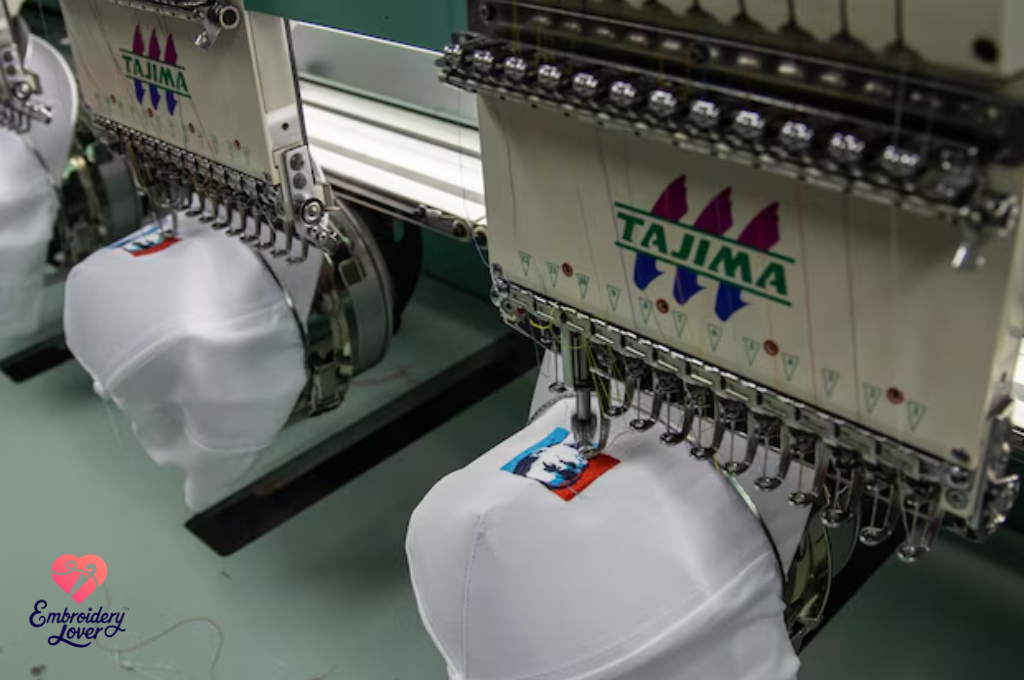
If you plan to run embroidery as a business, knowing the true cost per piece is critical. Many new entrepreneurs underestimate expenses, leading to underpricing and low profit margins. Calculating your cost accurately ensures you charge fairly, cover your investment, and remain profitable. Here’s a more detailed breakdown:
Depreciation / Amortization of the Machine
Your embroidery machine is a long-term investment. Spread its cost over its useful life to calculate how much it contributes to each order. For example:
- Machine cost: $10,000
- Expected lifespan: 5 years
- Estimated annual production: 10,000 pieces
That’s $0.20 of machine cost per piece. Factoring this ensures your investment pays itself back over time.
Consumables (Thread, Stabilizer, Needles, Backing)
Every embroidery project requires materials. While these seem minor, they add up quickly. Estimate costs like:
- Thread: $0.05–$0.20 per design, depending on stitch count
- Stabilizer/backing: $0.10–$0.30 per hooping
- Needles: $1–$2 each (changed every 8–10 hours of stitching)
These numbers vary with design complexity, but tracking them ensures accurate costing.
Labor / Operator Time
Your time or your employee’s time has value. If it takes 30 minutes to hoop fabric, run the design, and finish, calculate labor costs accordingly. For example:
- Hourly labor rate: $15/hour
- Time per project: 0.5 hours
- Labor cost per piece = $7.50
Even if you’re the one operating, including your time ensures you’re not underpaying yourself.
Maintenance & Repair Overhead
Maintenance includes oil, cleaning supplies, and occasional part replacements (like bobbin cases, belts, or sensors). On average, set aside 5–10% of machine value annually as maintenance reserve. Divide that over your expected production to estimate per-piece cost.
Example:
- Annual maintenance budget: $500
- Annual production: 5,000 pieces
- Maintenance cost per piece = $0.10
Electricity / Utilities / Rent Share
Don’t forget infrastructure costs. A commercial embroidery machine uses power, lighting, air conditioning, and space. For small businesses, it’s wise to allocate:
- Electricity: $0.05–$0.15 per project, depending on run time
- Rent/space share: If you rent a studio, divide the rent by pieces produced
That gives you a more realistic cost per piece or per order, which helps in pricing your products.
How to Choose an Embroidery Machine Cost that Fits You
With prices ranging from just a few hundred dollars to over $25,000, choosing the right embroidery machine cost can feel overwhelming. The best choice depends not only on your budget but also on your long-term goals, production needs, and support requirements. Here are some in-depth guidelines to help you choose wisely:
Start with Business Needs, Not Just Budget
Instead of focusing solely on how much you want to spend, think about what you need the machine to do.
- How many pieces do you expect to produce weekly or monthly?
- What types of fabrics will you work with (light cotton, heavy denim, stretchy knits, or leather)?
- What is the average size of your embroidery designs (small logos vs. large back designs)?
Choosing a machine based on these answers prevents you from under-investing in a model that won’t meet demand or overspending on features you’ll rarely use.
Plan for Growth and Scalability
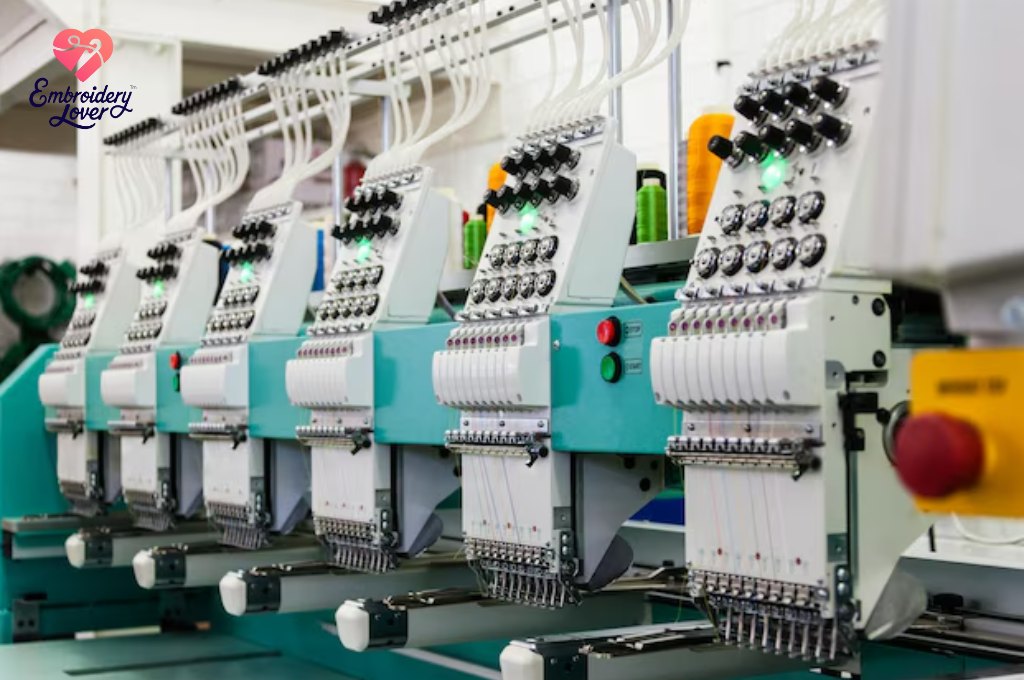
If you foresee growth in your embroidery business, consider stretching your budget slightly now. For example, upgrading from a single-head to a multi-head machine may cost more upfront, but it saves you from replacing your machine too soon. A machine that supports future add-ons like cap attachments or bigger hoops also provides flexibility as your business expands.
Compare Total Cost of Ownership (TCO)
The purchase price is just one part of the embroidery machine cost. Consider the TCO, which includes:
- Maintenance and servicing fees
- Spare parts and accessories
- Software licenses or upgrades
- Training for you or your staff
- Electricity and workspace requirements
A machine with a higher upfront price but lower running costs may actually be more cost-effective in the long run.
Buy from Reputable Dealers with Strong Support
Embroidery machines are precision equipment, and breakdowns can happen. Buying from a reputable dealer or brand ensures access to spare parts, warranties, technical support, and training. A slightly more expensive purchase backed by reliable support will save you downtime and repair headaches compared to cheaper, unsupported machines.
Look for Financing, Leasing, or Payment Options
Many embroidery machine suppliers offer installment plans, leasing options, or trade-in deals. These make it easier to start your business with a professional-grade machine without a massive upfront payment. Leasing can also be a smart choice for testing the waters before committing to ownership.